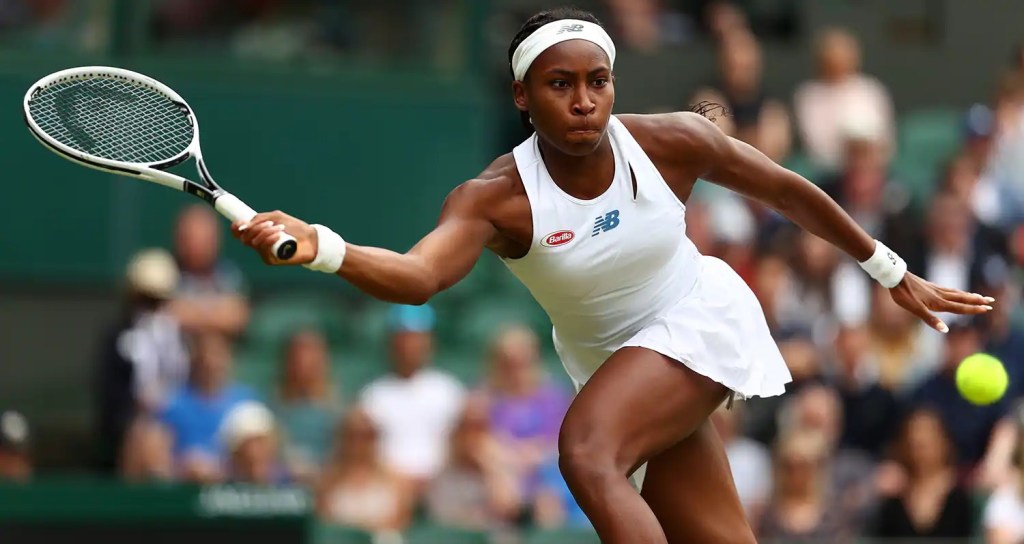
Mega-event includes many sporting events such as Profession Golfers’ Association of America (PGA), Ultimate Fighting Championship (UFC) and our main focus, The Olympic Games. The globalization in the Olympic sport has allowed individuals from all over the world to come together and compete in their respected sport, even with their political differences outside of the Olympics Games. This is possible through the ancient tradition called the “Olympic Truce” (Roche, 2006). This truce allows two weeks of a grace period, one week before the Olympic games and one week after it. We will focus on transgender athletes in Olympic sports and the inclusion of women within the Olympic Games.
Women in the Olympic games:
The first Olympic Games took place in Athens in 1896, it consisted of merely male athletes throughout the games (Almeida & Rubio, 2018), excluding all females. In the 1900 Olympic Games in Paris, women participated in the 1900 Paris Olympics. Today, women have been more apparent in the Olympic games since then as authors Noland and Stahler (2016) noted,” the share of female participants has risen steadily, and women now make up nearly half the competitors in both the Summer and Winter Games.” This growth over the years allowed women to be more ambitious through the sources of the mediatization through television and globalization of the Olympic games. With all the upsides, there will always be some downsides. Performance enhancing drugs (PEDs) became more prevalent and in 1968, they began testing female competitors for PEDs, except for the political exemption for testing East German sailors and women’s gymnastics. ”The program began in earnest with female competitors prior to the 1968 Mexico City Games. From 1972 on, most East German medals were won by athletes who were on PEDs, including most gold medal winners in swimming events from the 1976 Montreal Games on, and all gold medals in throwing events at the 1988 Seoul Games The distortive effect of this program appears to have been especially large in women’s competitions” (Frank and Berendonk, 1997, as cited in Noland and Stahler, 2016). Although this may seem like a negative impact on women, it helped introduce Title IX which made political strides for gender equity and pushed for greater expansions for females to be educated and include females in athletic participation opportunities and provide females with what they deserve, proper female representation within sport. To this day, females are commonly objectified for their uniforms in some forms of mega-events. Because of this, females’ ability to compete is downplayed by media and modern-day normalities.
Transgender Athletes in the Olympic Games:
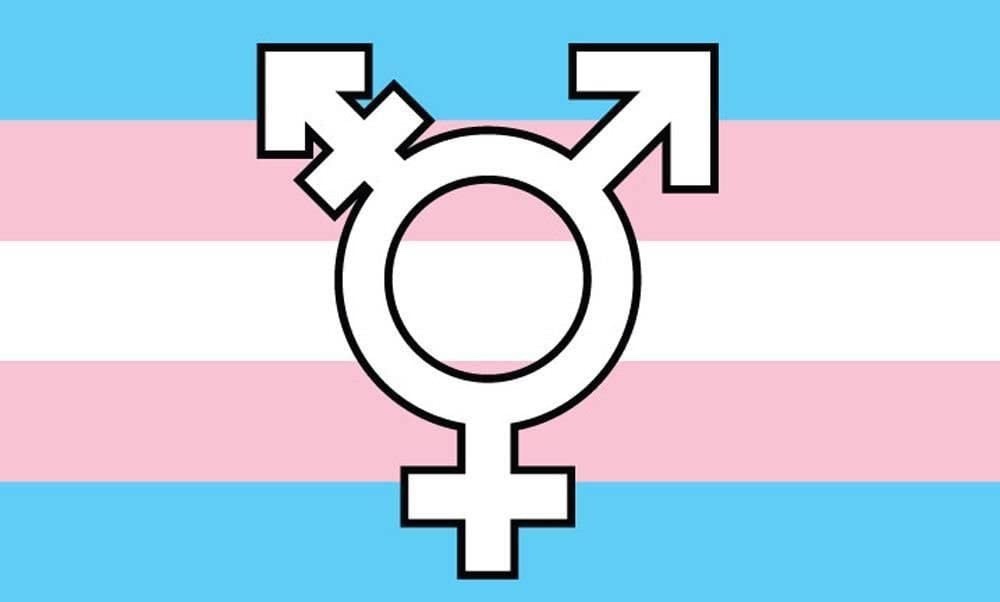
The globalization of the Olympic Games allows for inclusion from people of different ethnic backgrounds from all over the world, so why would transgendered individuals be different? The difference between gender is what we decide to identify as, and sex is our biological physical and physiological features. Most individuals’ concerns are that their body’s biological development within a sex has grown past a threshold that would give them a physical advantage within their respected sport. In Devine’s article, she mentions a quote by Hilton and Lundberg (2021) that “explain testosterone-driven male puberty ‘underpins sporting advantages that are so large no female could reasonably hope to succeed without sex segregation in most sporting competitions’ mentioning that 10,000 males have a faster time than the fastest female 100-meter runner thus they must have different categories in to keep women’s relevancy. Transwomen had to go through a series of obstacles to compete in their respective category, such as hormone replacement therapy and maintaining less than 10 nmol/l from serum testosterone (Handelsman et al., 2018 as cited in Devine, 2022). These guidelines were implemented to create a fair playing ground within the competition. They formed a survey that was handed out to anonymous Olympians to discuss the topic of transgendered individuals competing within the Olympics “Nineteen Olympians responded with a mean age of 41 (n=15), seven athletes under 35 and four over 50” (Devine, 2022). Athlete 19 stated that they agreed that transgender athletes should be able to compete without discrimination, but should not be able to exploit female athletes. Athlete 16 mentioned that “As ever, most scientific evidence relating to females is pretty patchy, so definitely more research is essential, but we start from a poor base as sports science is mostly based on male statistics and research” (Devine, 2022). It is extremely difficult to find the middle ground in which both parties feel accepted and able to compete with one another, fairly. Mediatization of these types of sensitive topics have a supportive group to back them up and what they deserve, none of us picked our gender. Even with all the scientific data and technology we adopted over the years. Trans Women still have more lean body mass even after 36 months of hormone therapy (Handelsman et al., 2018 as cited in Devine, 2022). With the political stance of the Olympics, future Olympians serious about their career but feel uncomfortable with their sex creates an irreversible change they must make before starting puberty to be eligible to compete. Whether they choose to compete as the sex they were given or the gender they choose to be. Unfortunately, at this time, there is not enough scientific research to allow trans women to become a part of the women’s category without exploitation of these athletes thus affecting the commercialisation of the Olympics.
 Sociology in the Olympics